
11. What are the benefits of using an ERP system for facilities management?
Best 5 ERP Systems for Facilities Management in 2023 Include Odoo
What is a Facilities Management ERP System?
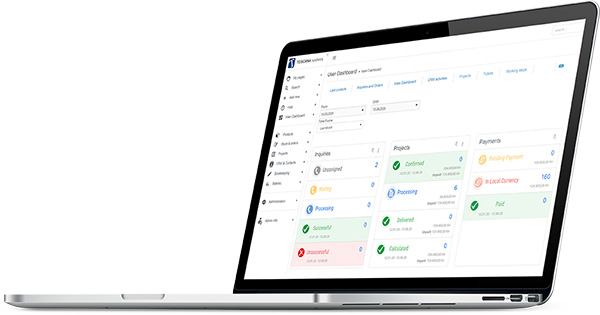
A Facilities Management Enterprise Resource Planning (ERP) system is a type of management software that enables organisational systems and processes to be effectively managed and maintained inside an organization. By streamlining multiple operations, management teams can increase efficiency, reduce costs and ensure better customer service. These systems are composed of various components and modules that range from sales and finance to asset management and maintenance.
Why You Need Facilities Management ERP System
When it comes to facilities management, an ERP system can help to streamline various business processes, from asset lifecycle management to budgeting, scheduling, and service delivery. With the right ERP System, your business can access real-time data, arrange smarter maintenance, and maximize productivity. ERP systems can also improve data visibility, allowing business owners, managers, and staff to make better decisions.
Top Facilities Management ERP System Features to Look For
- Asset Lifecycle Management: Asset lifecycle management features help determines ownership, use and value of assets, as well as gives insights on performance and utilization.
- Inventory and Logistics Monitoring: An ERP System should be equipped with inventory and logistics monitoring for managing goods and goods in transport.
- Demand Forecasting: Demand forecasting is another important feature that helps managers accurately create and plan for the future.
- Budgeting and Cost Control: ERP Systems include budgeting and cost control features to manage and monitor spends and save costs where possible.
- Workforce Management: Workforce management features allow you to create smarter schedules and assign tasks more efficiently.
- Real-time Alerts and Notifications: For situations when things don’t go as planned, real-time alerts and notifications can help to alert you and reduce the risk of mistakes.
Budgeting for Your Facilities Management ERP System
When budgeting for your facilities management ERP System, you need to carefully consider your needs, the features you’ll use the most, and the cost of the system. Depending on your specific needs, you may be able to find a budget-friendly ERP System that will provide you with the features and services you need. At the same time, it’s important to consider the costs of setup, training, and maintenance as they can add up quickly.
Steps to Find and Get Started With Your Facilities Management ERP System
- Determine your needs. Make a list of the features you need and how you’ll use them.
- Research the market. Compare different ERP Systems to find the one that best fits your needs.
- Finalise your budget. Consider setup, training and maintenance costs.
- Start the implementation process. Discuss with the vendor the implementation process and timeline.
- Train your team. Make sure that all staff is properly trained on the ERP System.
- Start using your ERP System. Start using your ERP System and monitor its performance.
The Best 5 Facilities Management ERP System on the Market
- Odoo
- Advantages: Odoo is a cloud-based ERP system that provides a wide range of features, including budgeting, asset and workforce management, inventory and logistics monitoring, and more.
- Disadvantages: Odoo’s pricing can be expensive for smaller operations.
- NetSuite
- Advantages: NetSuite offers an extensive range of features for managing facilities, such as budgeting, inventory and maintenance management.
- Disadvantages: Implementation can be expensive and complicated.
- Deltek Vision
- Advantages: Deltek Vision is a flexible enterprise resource planning system that provides powerful budgeting, inventory, and project management features.
- Disadvantages: Deltek Vision is not ideal for small operations as it requires a higher budget to set up.
- SAP
- Advantages: SAP is a comprehensive ERP solution with features for facilities such as budgeting, inventory management, and maintenance.
- Disadvantages: SAP is expensive and complex, making it better suited for mid- to large-sized businesses.
- Oracle
- Advantages: Oracle offers a comprehensive ERP system with features for budgeting, inventory, and workforce management.
- Disadvantages: Costs are higher with Oracle and implementation can be complex.
Best 5 ERP Systems for Facilities Management in 2023 – Summary Table
| ERP System | Advantages | Disadvantages |
|---|---|---|
| Odoo | Cloud-based with wide range of features | Expensive |
| NetSuite | Wide range of features for managing facilities | Expensive, Complex |
| Deltek Vision | Flexible ERP with budgeting, inventory and project management features | Expensive, Complicated |
| SAP | Comprehensive ERP solution with features for facilities | Expensive, Complicated |
| Oracle | Comprehensive ERP system with features for budgeting, inventory, and workforce management | Expensive, Complex |
Conclusion
When it comes to facilities management, an ERP system can help streamline various business processes and provide insights for better decision-making. Each ERP System offers different features and capabilities and there are a number of factors to consider when selecting the best ERP System for your business, such as budget, size, and available features. The best 5 ERP Systems for facilities management in 2023 are Odoo, NetSuite, Deltek Vision, SAP, and Oracle. Each system offers benefits and drawbacks that should be carefully weighed before selecting the right one for your business.
 English
  French
  Spanish
  Arabic